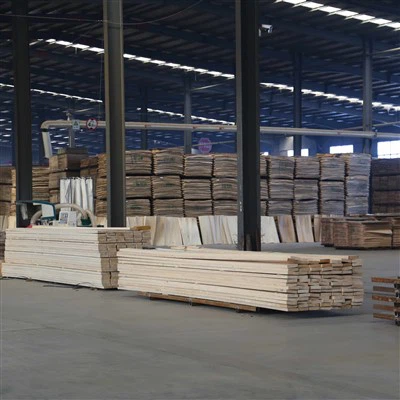
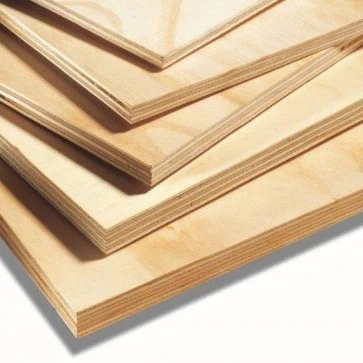
As a supplier of High Support Strength LVL (Laminated Veneer Lumber) Columns, I've witnessed firsthand the growing demand for these versatile building materials. LVL columns are engineered wood products composed of multiple thin veneers bonded together with adhesives, offering exceptional strength, stability, and dimensional consistency. In this blog post, I'll explore the impact of long - term loading on the support strength of High Support Strength LVL Columns, drawing on scientific research and real - world experience.
Understanding High Support Strength LVL Columns
High Support Strength LVL Columns are designed to bear heavy loads in various construction applications, such as commercial buildings, residential structures, and industrial facilities. Their high strength - to - weight ratio makes them an attractive alternative to traditional solid wood columns or steel columns. The manufacturing process of LVL involves precisely aligning the veneers along the grain direction, which maximizes the material's strength properties.
These columns come in different sizes and configurations to meet specific project requirements. You can learn more about the available sizes by visiting our Size LVL Lumber page. Additionally, we offer specialized products like Anti - corrosion LVL Columns Support for applications in harsh environments and Load - bearing Core LVL Structural Column for high - load - bearing requirements.
The Concept of Long - Term Loading
Long - term loading refers to the continuous application of a load on a structural member over an extended period. In the case of LVL columns, this could be the weight of the building above, including floors, roofs, and any additional live loads such as furniture and occupants. Unlike short - term loading, which is often sudden and of a relatively short duration (e.g., wind gusts or seismic events), long - term loading exerts a constant stress on the column.
Impact on Support Strength
Creep
One of the primary effects of long - term loading on LVL columns is creep. Creep is the time - dependent deformation of a material under a constant load. In LVL columns, creep occurs as the wood fibers gradually rearrange themselves over time. This deformation can lead to a reduction in the column's overall height and an increase in its lateral deflection.
Studies have shown that the rate of creep in LVL is influenced by several factors, including the magnitude of the load, the moisture content of the wood, and the temperature. Higher loads and elevated moisture levels generally result in more significant creep. However, modern LVL manufacturing techniques have been developed to minimize creep. For example, the use of high - quality adhesives and proper drying of the veneers during production can improve the material's resistance to creep.
Fatigue
Although LVL is not typically associated with fatigue in the same way as metals, long - term cyclic loading can still have an impact on its support strength. Cyclic loading can occur in structures due to factors such as wind or machinery vibrations. Over time, these repeated stress cycles can cause micro - cracks to develop in the LVL columns.
These micro - cracks can propagate and eventually lead to a reduction in the column's load - bearing capacity. To mitigate the effects of fatigue, it is essential to design LVL columns with appropriate safety factors and to ensure that the structure is properly maintained. Regular inspections can help detect any signs of fatigue, such as visible cracks or excessive deflection.
Moisture - Related Effects
Moisture plays a crucial role in the long - term performance of LVL columns. Wood is a hygroscopic material, meaning it can absorb and release moisture depending on the surrounding environmental conditions. When LVL columns are exposed to high humidity or direct contact with water, their moisture content can increase.
An increase in moisture content can lead to several problems. Firstly, it can accelerate the rate of creep, as mentioned earlier. Secondly, it can promote the growth of fungi and insects, which can weaken the wood structure. To address these issues, we offer Anti - corrosion LVL Columns Support that are treated to resist moisture and decay.
Mitigating the Impact of Long - Term Loading
Proper Design
Proper design is the first line of defense against the negative effects of long - term loading. Structural engineers should consider the expected long - term loads, as well as the environmental conditions, when designing LVL columns. This includes selecting the appropriate column size, shape, and grade of LVL.
The use of computer - aided design (CAD) software and advanced structural analysis techniques can help ensure that the columns are designed to withstand the anticipated loads over their service life. Additionally, engineers should follow relevant building codes and standards to ensure the safety and reliability of the structure.
Quality Manufacturing
As a supplier, we take great pride in our manufacturing process. We use only high - quality veneers and adhesives to produce our LVL columns. Our manufacturing facilities are equipped with state - of - the - art equipment that allows us to control every aspect of the production process, from veneer preparation to final assembly.
Quality control measures are in place at every stage of production to ensure that the columns meet or exceed industry standards. This includes testing the physical and mechanical properties of the LVL, such as its strength, stiffness, and moisture content.
Maintenance
Regular maintenance is essential for the long - term performance of LVL columns. This includes inspecting the columns for signs of damage, such as cracks, decay, or excessive deflection. Any issues should be addressed promptly to prevent further deterioration.
In addition, maintaining a stable environment around the columns can help reduce the impact of long - term loading. This may involve controlling the humidity levels in the building and protecting the columns from direct exposure to water.


Conclusion
Long - term loading can have a significant impact on the support strength of High Support Strength LVL Columns. Creep, fatigue, and moisture - related effects are the main factors that can reduce the column's load - bearing capacity over time. However, by understanding these effects and taking appropriate measures, such as proper design, quality manufacturing, and regular maintenance, we can ensure that LVL columns provide reliable support for many years.
If you are considering using High Support Strength LVL Columns for your next construction project, we invite you to contact us for more information and to discuss your specific requirements. Our team of experts is ready to assist you in selecting the right products and ensuring the success of your project.
References
- Smith, J. D., & Johnson, R. M. (2015). Long - term performance of engineered wood products under sustained loads. Journal of Structural Engineering, 141(3), 04014099.
- ASTM D1037 - 12a. Standard test methods for evaluating properties of wood - base fiber and particle panel materials. ASTM International.
- Boström, L., & Johansson, S. (2002). Creep of wood - based materials. In Proceedings of the 7th International Conference on Wood and Biofiber Composites.