Hey there! As a supplier of water-resistant structural plywood roof panels, I get a ton of questions about their impact resistance. It's one of those super important factors that can make or break a roofing project. So, I thought I'd take the time to dig deep and explain it all to you.
What exactly is impact resistance?
First things first, let's understand what impact resistance means in the context of our water-resistant structural plywood roof panels. Impact resistance refers to the ability of the panels to withstand sudden forces or blows without getting damaged. You know, like when a tree branch falls on the roof during a storm, or hail pelts down. If the panels have good impact resistance, they'll be able to handle these situations without cracking or splitting.
There are a few reasons why impact resistance is crucial for roof panels. For starters, it ensures the long-term durability of the roof. When panels can resist impacts, they're less likely to develop leaks or other structural issues over time. This means fewer repairs and replacements, which can save you a boatload of money in the long run.
Factors that affect impact resistance
A bunch of different factors can influence the impact resistance of our water-resistant structural plywood roof panels. One of the main ones is the type of wood used. We use high-quality woods that are known for their strength and toughness. These woods have a dense grain structure that can absorb and distribute impact forces more effectively.
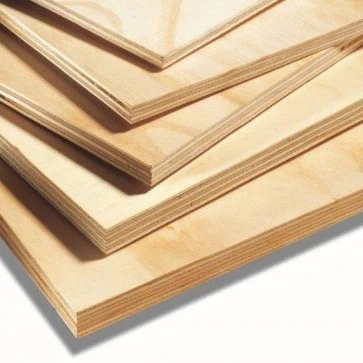
The manufacturing process also plays a huge role. Our panels are made using advanced techniques that ensure a strong bond between the layers of plywood. This makes the panels more resistant to impacts and helps prevent delamination. Delamination is when the layers of plywood start to separate, which can seriously weaken the panel and reduce its impact resistance.
Another factor is the thickness of the panels. Generally, thicker panels tend to have better impact resistance. Our water-resistant structural plywood roof panels come in a range of thicknesses, so you can choose the one that best suits your needs. If you're in an area that's prone to severe weather conditions, like hailstorms or high winds, you might want to go for a thicker panel.
How we test impact resistance
At our company, we take the impact resistance of our panels very seriously. We use a variety of tests to ensure that our panels meet the highest standards. One of the most common tests is the drop test. In this test, a heavy object is dropped onto the panel from a certain height. We measure the amount of damage to the panel and use this to determine its impact resistance rating.
We also do field testing in real-world conditions. We install our panels on test roofs and monitor them over time, especially during extreme weather events. This allows us to see how the panels perform in actual use and make any necessary adjustments to our manufacturing process.
Benefits of our high-impact resistant panels
Our water-resistant structural plywood roof panels with high impact resistance offer a bunch of benefits. First and foremost, they provide peace of mind. You know that your roof can stand up to whatever Mother Nature throws at it. Whether it's a small branch or a large hailstone, your panels will be able to handle it.
The high impact resistance also means that your roof will last longer. With fewer damages, there's less risk of water infiltration, which is a major cause of roof failure. This can extend the lifespan of your roof and save you money on premature replacements.
In addition, our panels are easy to install. They're lightweight yet strong, which makes them a great choice for both DIYers and professional contractors. And because they're water-resistant, you don't have to worry about them warping or rotting if they get wet during installation.
Comparing with other products in the market
When you're shopping for roof panels, it's important to compare our water-resistant structural plywood roof panels with other products on the market. There are a lot of options out there, but not all of them offer the same level of impact resistance.


Some other materials, like asphalt shingles, might be cheaper upfront, but they often don't have the same durability as our plywood panels. Asphalt shingles can easily crack or blow off in high winds, especially if they're not installed properly. On the other hand, our panels are designed to be strong and stable, even in harsh weather conditions.
If you're looking for a panel with high load-bearing capacity, you can check out our High Load-bearing Capacity Structural Plywood. It's a great option for roofs that need to support heavy loads, like snow or solar panels.
Our Stable Indoor Structural Plywood is also a popular choice. It's designed for indoor applications where stability is key. And if you're specifically looking for high-quality roof panels, take a look at our Good Quaility Structural Plywood Roof Panels.
Conclusion and call to action
In conclusion, the impact resistance of our water-resistant structural plywood roof panels is a key feature that sets them apart from other products on the market. It offers long-term durability, peace of mind, and cost savings. Whether you're building a new roof or replacing an old one, our panels are a great choice.
If you're interested in learning more about our products or getting a quote, don't hesitate to reach out. We'd be more than happy to discuss your needs and help you find the perfect solution for your roofing project. Let's work together to create a strong and reliable roof that will last for years to come.
References
- Wood Handbook: Wood as an Engineering Material. Forest Products Laboratory.
- ASTM International Standards for Plywood and Structural Panels.