As a supplier of indoor structural plywood, I understand the importance of making this versatile building material waterproof. Indoor structural plywood is widely used in various applications, from furniture making to interior construction. However, without proper waterproofing, it can be susceptible to damage from moisture, which can lead to warping, rotting, and a shortened lifespan. In this blog post, I will share some effective methods to make indoor structural plywood waterproof, ensuring its durability and performance in moisture-prone environments.


Understanding the Basics of Waterproofing
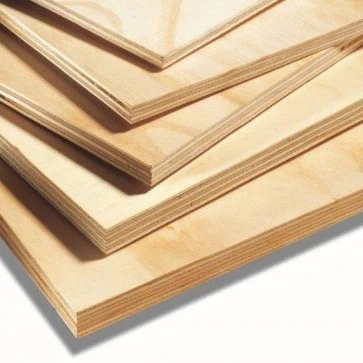
Before diving into the waterproofing methods, it's essential to understand the basics of how moisture affects plywood. Plywood is made by gluing together multiple layers of thin wood veneers. The glue used in the manufacturing process provides some level of water resistance, but it may not be sufficient to protect the plywood from prolonged exposure to moisture. When plywood absorbs water, the wood fibers swell, causing the plywood to warp and lose its structural integrity. Additionally, moisture can promote the growth of mold and mildew, which can not only damage the plywood but also pose health risks.
Surface Coatings
One of the most common and effective ways to make indoor structural plywood waterproof is by applying a surface coating. There are several types of coatings available, each with its own advantages and disadvantages.
Paint
Paint is a popular choice for waterproofing plywood because it provides a decorative finish in addition to protecting the wood from moisture. Acrylic latex paints are a good option for indoor use as they are easy to apply, dry quickly, and are relatively inexpensive. When applying paint to plywood, it's important to prepare the surface properly by sanding it smooth and cleaning it to remove any dust or debris. Apply at least two coats of paint, allowing each coat to dry completely before applying the next.
Varnish
Varnish is another option for waterproofing plywood. It provides a hard, durable finish that is resistant to scratches and moisture. There are different types of varnishes available, including oil-based and water-based varnishes. Oil-based varnishes tend to provide a more durable finish, but they take longer to dry and have a stronger odor. Water-based varnishes are easier to clean up and have a lower odor, but they may not be as durable as oil-based varnishes. Apply at least two coats of varnish, sanding lightly between coats to ensure a smooth finish.
Sealant
Sealants are designed to penetrate the wood fibers and form a protective barrier against moisture. There are several types of sealants available, including polyurethane sealants, epoxy sealants, and silicone sealants. Polyurethane sealants are a popular choice for waterproofing plywood because they are easy to apply, dry quickly, and provide a durable finish. Epoxy sealants are more expensive but offer superior waterproofing and chemical resistance. Silicone sealants are flexible and are often used in areas where movement is expected, such as around joints and seams.
Impregnation Treatments
In addition to surface coatings, impregnation treatments can also be used to make indoor structural plywood waterproof. Impregnation treatments involve soaking the plywood in a chemical solution that penetrates the wood fibers and provides long-term protection against moisture.
Borate Treatments
Borate treatments are a popular choice for protecting plywood from moisture and insects. Borates are natural minerals that are non-toxic and environmentally friendly. They work by preventing the growth of fungi and insects that can damage the wood. Borate treatments can be applied by soaking the plywood in a borate solution or by spraying it onto the surface of the plywood.
Fire-Retardant Treatments
Fire-retardant treatments are often used in combination with waterproofing treatments to provide additional protection for indoor structural plywood. These treatments contain chemicals that reduce the flammability of the wood, making it less likely to catch fire and spread flames. Fire-retardant treatments can be applied by soaking the plywood in a fire-retardant solution or by spraying it onto the surface of the plywood.
Edge Sealing
In addition to waterproofing the surface of the plywood, it's also important to seal the edges. The edges of the plywood are more vulnerable to moisture penetration because they have a larger surface area exposed to the environment. To seal the edges of the plywood, you can use a edge banding tape or apply a sealant to the edges. Edge banding tape is a thin strip of material that is applied to the edges of the plywood to provide a smooth, finished look and to protect the edges from moisture. Sealants can be applied to the edges of the plywood using a brush or a roller.
Proper Installation
Finally, proper installation is crucial for ensuring the waterproofing of indoor structural plywood. When installing plywood, make sure to leave a small gap between the sheets to allow for expansion and contraction. This will prevent the plywood from warping or buckling due to changes in temperature and humidity. Additionally, make sure to use waterproof adhesives and fasteners to secure the plywood in place.
Conclusion
Making indoor structural plywood waterproof is essential for ensuring its durability and performance in moisture-prone environments. By using a combination of surface coatings, impregnation treatments, edge sealing, and proper installation techniques, you can effectively protect your plywood from moisture damage. As a supplier of indoor structural plywood, I offer a range of high-quality products that are suitable for various applications. If you're interested in learning more about our Eco Frendliy Structural Plywood In, E0 Structural Plywood for Furniture, or Original Factory Structural Plywood Size, please feel free to contact me for more information and to discuss your specific needs. I look forward to working with you to provide the best solutions for your projects.
References
- Forest Products Laboratory. (2010). Wood Handbook: Wood as an Engineering Material. U.S. Department of Agriculture, Forest Service.
- National Wood Flooring Association. (2019). Installation Guidelines for Solid and Engineered Wood Flooring.
- American Plywood Association. (2020). Plywood Design Specification.