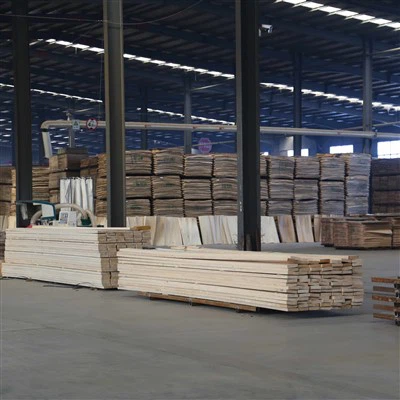
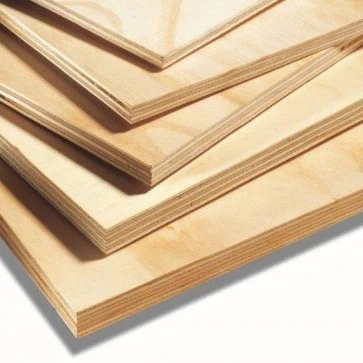
Hey there! As a supplier of structural wood panels formwork, I often get asked about the modulus of elasticity of these products. So, I thought I'd take a moment to break it down for you in a way that's easy to understand.
First off, let's talk about what the modulus of elasticity actually is. In simple terms, it's a measure of how much a material will deform under a given amount of stress. For structural wood panels formwork, this is a crucial property because it helps determine how well the panels will hold up under the weight of concrete and other construction loads.


When it comes to structural wood panels formwork, the modulus of elasticity can vary depending on a few different factors. One of the biggest factors is the type of wood used to make the panels. Different species of wood have different inherent properties, including their modulus of elasticity. For example, hardwoods like oak and maple tend to have a higher modulus of elasticity than softwoods like pine and spruce.
Another factor that can affect the modulus of elasticity is the manufacturing process. Structural wood panels formwork is typically made by bonding layers of wood veneer together with adhesives. The quality of the adhesives and the way they are applied can have a significant impact on the overall strength and stiffness of the panels. Additionally, the orientation of the wood grain in each layer can also affect the modulus of elasticity. Panels with a more uniform grain orientation tend to have a higher modulus of elasticity than those with a more random grain pattern.
So, why is the modulus of elasticity so important for structural wood panels formwork? Well, for starters, it helps ensure that the panels can support the weight of the concrete and other construction loads without bending or breaking. This is especially important in large-scale construction projects where the panels may be subjected to significant stress over long periods of time.
In addition to providing structural support, the modulus of elasticity also affects the overall performance of the formwork. Panels with a higher modulus of elasticity are generally stiffer and more rigid, which means they are less likely to deflect or warp under load. This can result in a smoother, more even surface finish on the concrete, which is important for achieving a high-quality final product.
Now, let's take a look at some of the different types of structural wood panels formwork that are available on the market. One popular option is Size Structural Wood Panels Formwork. These panels are designed to be used in a variety of construction applications and are available in a range of sizes and thicknesses to meet the specific needs of your project.
Another option is Light-weight Wood Board formwork. As the name suggests, these panels are lighter in weight than traditional structural wood panels formwork, which makes them easier to handle and install. They are also designed to be more flexible, which can be beneficial in certain applications where a more forgiving formwork system is required.
Finally, we have Black Shuttering Plywood for Construction. This type of formwork is made from high-quality plywood that has been treated with a special black coating to protect it from moisture and other environmental factors. It is also designed to be highly durable and resistant to wear and tear, which makes it a popular choice for use in high-traffic areas.
So, there you have it! A brief overview of the modulus of elasticity of structural wood panels formwork and why it's so important. If you're in the market for structural wood panels formwork, I encourage you to do your research and choose a product that is right for your specific needs. And if you have any questions or need further information, don't hesitate to reach out to me. I'd be happy to help you find the perfect formwork solution for your next construction project.
If you're interested in purchasing our structural wood panels formwork, we're here to assist you. Whether you have questions about product specifications, pricing, or delivery, feel free to get in touch with us. We're eager to start a conversation and help you meet your construction needs.
References
- Forest Products Laboratory. (2010). Wood Handbook: Wood as an Engineering Material. Madison, WI: U.S. Department of Agriculture, Forest Service.
- American Wood Council. (2018). National Design Specification for Wood Construction. Leesburg, VA: American Wood Council.