Laminated veneer lumber (LVL) headers have gained significant popularity in the construction industry due to their strength, versatility, and cost - effectiveness. As a supplier of LVL headers, I often receive inquiries about their suitability for high - humidity areas. In this blog post, I will delve into the topic and provide a comprehensive analysis of whether LVL headers can be used in such challenging environments.
Understanding Laminated Veneer Lumber Headers
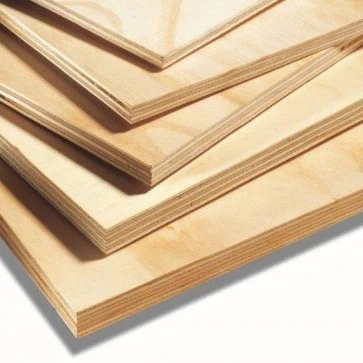
LVL headers are engineered wood products made by bonding multiple layers of thin wood veneers together with adhesives under high pressure and heat. This manufacturing process results in a material that is stronger and more dimensionally stable than traditional solid wood. LVL headers are commonly used in residential and commercial construction to support loads above door and window openings, as well as in roof and floor systems.


There are different types of LVL headers available in the market. For instance, the Best Quality LVL Headers Beam for Light Frame is specifically designed for light - frame construction, offering excellent strength - to - weight ratio. The Structural LVL Headers Beam is engineered to handle heavy structural loads, making it suitable for larger construction projects. And the Sturdy And Durable LVL Roof Headers are optimized for roof applications, providing reliable support for the roofing structure.
The Impact of High Humidity on LVL Headers
High - humidity areas pose unique challenges to building materials. Wood is a hygroscopic material, which means it can absorb and release moisture depending on the relative humidity of the surrounding environment. When LVL headers are exposed to high humidity, several issues may arise:
Moisture Absorption
LVL headers can absorb moisture from the air in high - humidity conditions. Excessive moisture absorption can cause the wood veneers to swell, leading to dimensional changes in the headers. This swelling can put stress on the adhesive bonds between the veneers, potentially weakening the overall structure of the LVL header. If the moisture content in the LVL headers exceeds a certain level, it can also promote the growth of mold and mildew, which not only affects the aesthetic appearance but also the structural integrity of the headers.
Adhesive Performance
The adhesives used in LVL manufacturing are designed to withstand normal environmental conditions. However, in high - humidity areas, prolonged exposure to moisture can degrade the adhesive bonds over time. This degradation can reduce the strength of the LVL headers and increase the risk of delamination, where the veneers start to separate from each other.
Decay and Insect Infestation
High moisture levels in LVL headers create a favorable environment for wood - destroying organisms such as fungi and insects. Fungal decay can gradually weaken the wood, while insect infestations can cause physical damage to the headers. These issues can significantly reduce the lifespan of the LVL headers and compromise the safety of the building structure.
Mitigating the Effects of High Humidity
Despite the potential challenges, LVL headers can still be used in high - humidity areas with proper precautions and mitigation strategies.
Moisture Barriers
Installing moisture barriers is an effective way to protect LVL headers from moisture ingress. Vapor barriers can be applied to the exterior of the building envelope to prevent water vapor from reaching the LVL headers. Additionally, flashing and sealants can be used around windows and doors to direct water away from the headers.
Proper Ventilation
Good ventilation is crucial in high - humidity areas. Adequate air circulation can help to reduce the relative humidity around the LVL headers, preventing excessive moisture absorption. In roof and attic spaces, ventilation systems can be installed to remove moist air and maintain a dry environment.
Pressure - Treated LVL
Some manufacturers offer pressure - treated LVL headers that are specifically designed for use in high - moisture environments. These headers are treated with chemicals that make them more resistant to decay, mold, and insect infestation. Pressure - treated LVL headers can provide an added layer of protection in high - humidity areas.
Regular Inspections
Regular inspections of LVL headers in high - humidity areas are essential. Inspections can help to detect early signs of moisture damage, such as swelling, discoloration, or mold growth. If any issues are detected, prompt action can be taken to address them, such as repairing or replacing the affected headers.
Case Studies: Successful Use of LVL Headers in High - Humidity Areas
There have been numerous successful applications of LVL headers in high - humidity areas. For example, in coastal regions where humidity levels are consistently high, LVL headers have been used in residential construction projects. By implementing proper moisture - control measures, such as installing moisture barriers and ensuring good ventilation, these projects have demonstrated that LVL headers can perform well in challenging environments.
In a commercial building project in a tropical climate, pressure - treated LVL headers were used in the roof structure. The headers were protected by a well - designed roofing system with adequate ventilation and moisture barriers. After several years of operation, the LVL headers showed no signs of significant moisture damage or structural deterioration, indicating that with the right approach, LVL headers can be a reliable choice in high - humidity areas.
Conclusion
In conclusion, while high - humidity areas present challenges for the use of LVL headers, it is possible to use them successfully with proper precautions. As a supplier of LVL headers, I am confident in the performance of our products when the appropriate mitigation strategies are implemented. The key is to address the issues of moisture absorption, adhesive performance, and decay through measures such as moisture barriers, ventilation, pressure - treated materials, and regular inspections.
If you are considering using LVL headers in a high - humidity area for your construction project, I encourage you to contact us for more information. Our team of experts can provide you with detailed advice on product selection, installation, and maintenance to ensure the long - term success of your project. We are committed to providing high - quality LVL headers and excellent customer service. Let's work together to make your construction project a success.
References
- Forest Products Laboratory. (2010). Wood Handbook: Wood as an Engineering Material. Madison, WI: U.S. Department of Agriculture, Forest Service.
- Simpson Strong - Tie. (2018). Design Values for Engineered Wood Products. Pleasanton, CA: Simpson Strong - Tie Company Inc.
- American Wood Council. (2015). National Design Specification for Wood Construction. Leesburg, VA: American Wood Council.