Are Good Quality Structural Plywood Roof Panels Prone to Warping?
As a supplier of Good Quality Structural Plywood Roof Panels, I often encounter inquiries and concerns from customers regarding the potential for warping in our products. Warping is a common issue in the wood - based panel industry, and it's essential to understand whether high - quality structural plywood roof panels are susceptible to this problem.
Understanding Structural Plywood Roof Panels
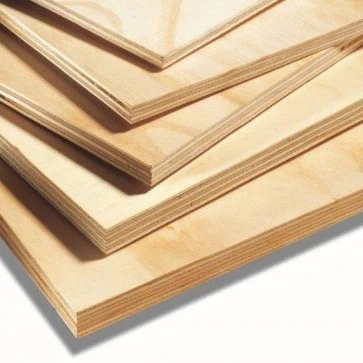
Structural plywood is engineered to provide strength and stability, making it an ideal choice for roofing applications. It is composed of multiple layers of thin wood veneers bonded together with adhesives, with the grain of each layer oriented perpendicular to the adjacent ones. This cross - grain construction enhances the panel's strength, stiffness, and dimensional stability.
Good quality structural plywood roof panels are manufactured using high - grade veneers and advanced bonding techniques. These panels are designed to withstand various environmental conditions, including wind, rain, and temperature fluctuations. They are also tested to meet specific industry standards for strength, durability, and performance.
Factors Contributing to Warping
Warping occurs when a panel of plywood changes shape due to uneven stress within the wood. Several factors can contribute to warping in structural plywood roof panels:
Moisture Content
One of the primary causes of warping is uneven moisture absorption or release. Wood is a hygroscopic material, which means it absorbs and releases moisture from the surrounding environment. When one side of a plywood panel absorbs more moisture than the other, it expands more, causing the panel to warp. For example, if a roof panel is exposed to rain on one side while the other side remains dry, the wet side will expand, leading to warping.
Our Water-resistant Structural Plywood Roof Panels are designed to minimize the impact of moisture. They are treated with special water - resistant coatings and adhesives that help prevent water penetration. However, it's still important to ensure proper installation and ventilation to maintain a consistent moisture level across the panel.
Temperature Changes
Extreme temperature changes can also cause warping in plywood. Wood expands when heated and contracts when cooled. If a roof panel is exposed to rapid temperature fluctuations, such as direct sunlight during the day followed by cold nights, the uneven expansion and contraction can lead to warping. High - quality structural plywood is engineered to have a relatively low coefficient of thermal expansion, but significant temperature variations can still pose a risk.
Improper Installation
Incorrect installation techniques can contribute to warping. For instance, if the panels are not properly fastened or if there is excessive pressure on one area of the panel, it can create stress points that lead to warping over time. It's crucial to follow the manufacturer's installation guidelines, including using the correct fasteners and spacing.
Quality Assurance and Warping Prevention
At our company, we take several steps to ensure the quality of our structural plywood roof panels and minimize the risk of warping:
Material Selection
We source high - quality wood veneers from reliable suppliers. The veneers are carefully inspected for defects, such as knots, splits, and uneven grain patterns. Only the best - quality veneers are used in the manufacturing process to ensure the strength and stability of the final product.
Advanced Manufacturing Processes
Our manufacturing facilities are equipped with state - of - the - art technology and machinery. We use advanced bonding techniques and adhesives that provide strong and durable bonds between the veneers. The panels are also subjected to strict quality control measures during the manufacturing process, including moisture content testing and strength testing.
Treatment and Coating
In addition to water - resistant treatments, our panels can be coated with special finishes that provide additional protection against moisture, UV rays, and other environmental factors. These coatings help to maintain the panel's integrity and reduce the risk of warping.
Case Studies and Customer Experiences
Over the years, we have received positive feedback from many customers who have used our structural plywood roof panels. In most cases, when the panels are installed correctly and maintained properly, there have been minimal issues with warping.
For example, a construction company in a coastal area used our Moisture-resistant Structural Plywood for Wall for a roofing project. Despite the high humidity and occasional heavy rain in the area, the panels remained stable and showed no signs of warping after several years of use.
Conclusion
While no structural plywood is completely immune to warping, good quality structural plywood roof panels are less prone to this problem compared to lower - quality alternatives. By using high - grade materials, advanced manufacturing processes, and proper installation techniques, we can significantly reduce the risk of warping.


However, it's important for customers to understand the factors that can contribute to warping and take appropriate measures to prevent it. This includes ensuring proper ventilation, protecting the panels from direct exposure to moisture, and following the manufacturer's installation and maintenance guidelines.
If you are considering using structural plywood roof panels for your next project, we invite you to contact us for more information. Our team of experts can provide you with detailed product specifications, installation advice, and pricing. We are committed to providing high - quality products and excellent customer service. Let's work together to ensure the success of your roofing project.
References
- Forest Products Laboratory. (2010). Wood Handbook: Wood as an Engineering Material. United States Department of Agriculture.
- American Plywood Association. (2021). Structural Plywood Design Specification.